November 4, 2026
Tumbling, a crucial aspect of gymnastics, goes beyond performing flips and tricks. It is an engaging and dynamic activity that significantly contributes to physical development, strength building, and coordination enhancement. Understanding tumbling's fundamental role offers insight into its numerous benefits. As a discipline, tumbling helps participants develop core physical attributes that are transferable to many other sports and daily activities. Recognizing its importance paves the way to a well-rounded approach to physical fitness.
The Basics of Tumbling
Definition and History
Tumbling refers to the acrobatic skills that include flips, rolls, jumps, and twists on the floor or using specific apparatuses. Its history dates back to ancient civilizations where acrobatic feats were considered an art form. Over time, the structured discipline of gymnastics adopted tumbling as a core component. The evolution of tumbling in modern times has led to its integration in multiple sports and performing arts. From training for military purposes to competitive environments, tumbling has proven beneficial across contexts.
Key Skills in Tumbling
Tumblers achieve excellence by mastering several key skills essential to the sport. These include strength, flexibility, balance, rhythm, and spatial awareness. Each of these skills synergistically contributes to executing complex sequences and movements. Mastery of these skills is not only crucial for execution but also for safety. Athletes learn to coordinate their movements precisely, emphasizing control in every action.
Equipment Used in Tumbling
Various pieces of equipment facilitate training and performance in tumbling. Mats, spring floors, and air tracks are commonly used in practice settings to ensure safety and enhance performance. Trampolines, while more specialized, are excellent for practicing aerial stunts. Some gyms also use foam pits and bars to simulate certain movements safely. The equipment varies based on athletes' skill levels and the specific aspect of tumbling they wish to improve.
Safety Protocols and Guidelines
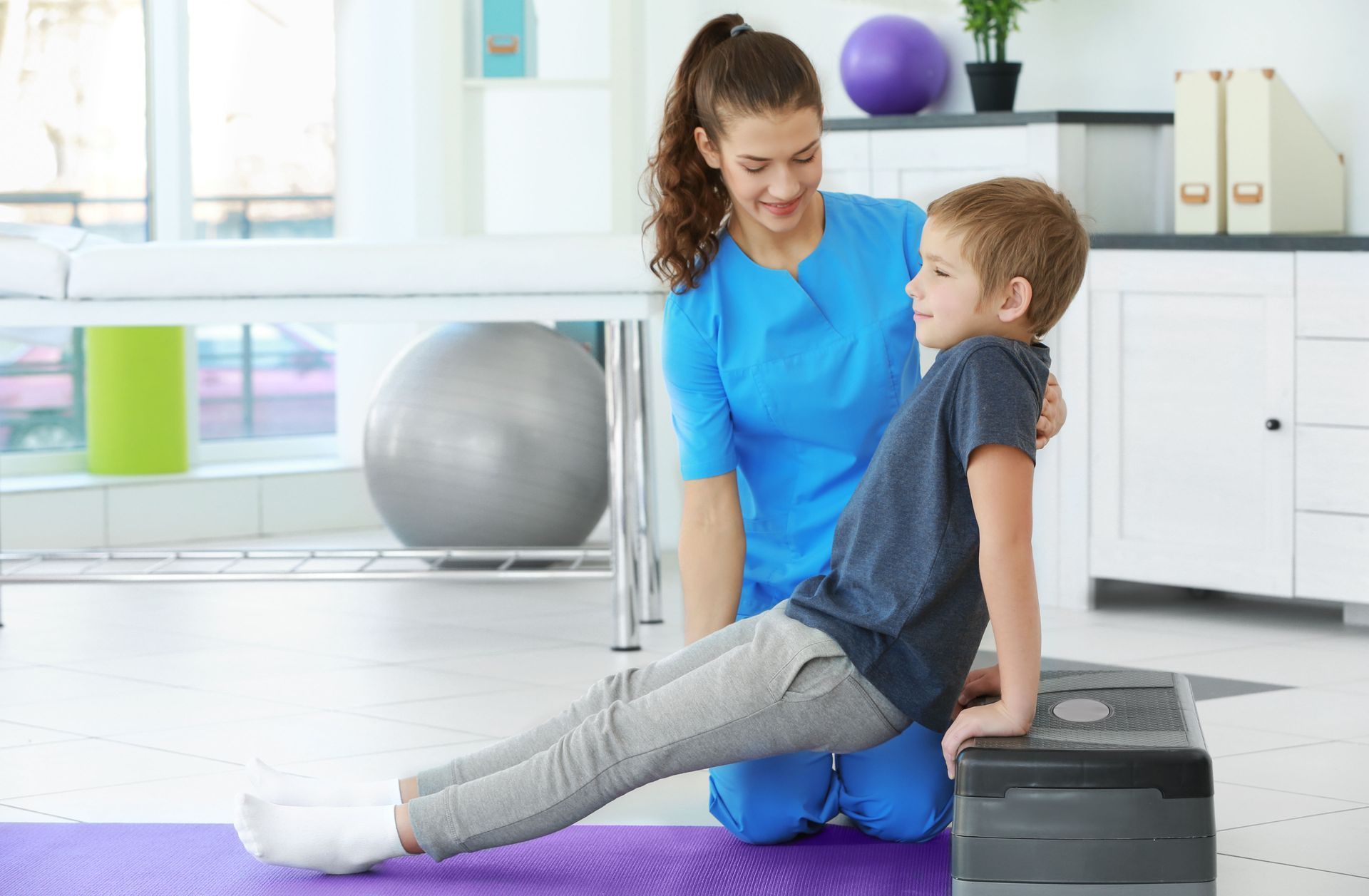
Ensuring safety in tumbling requires strict adherence to established protocols and guidelines. Coaches prioritize teaching proper techniques and progressive skill development to prevent injuries. Spotting, where a coach provides physical guidance during a skill, is utilized to assist beginners. Protective gear and appropriate floor padding further reduce the risk of accidents. Regular equipment checks and maintenance are also critical for a safe training environment.
Common Mistakes in Tumbling
Despite its nuances, tumbling is not without mistakes commonly seen across all levels of expertise. Beginners often struggle with executing moves too quickly, sacrificing technique for speed. Overcoming fear is another hurdle, as hesitation can affect performance quality. More advanced athletes might face the challenge of overconfidence, leading to complacency in safety measures. Consistent practice and proper coaching help mitigate these errors.
How Tumbling Builds Strength
Core Muscle Development
Core strength is a fundamental benefit derived from consistent tumbling practice. Exercises and routines in tumbling challenge the abdomen, lower back, and pelvic muscles, creating a solid core. This core stability is crucial, offering better control over movements and enhancing overall agility. Engaging core muscles not only aids in acrobatic maneuvers but also benefits overall body functionality.
Upper Body Strength
Upper body strength is critical in tumbling because several movements rely on arm and shoulder support. Skills such as handstands, cartwheels, and flips demand tremendous strength from these areas. Tumbling exercises target the arms, shoulders, and chest, gradually building endurance and power. Furthermore, this upper body conditioning is beneficial beyond the tumbling mat, aiding activities like climbing, swimming, and weightlifting. Training routines are designed to incrementally enhance strength while improving skill accuracy.
Lower Body Power
In tumbling, the lower body serves as a powerhouse for take-offs, landings, and dynamic movements. Muscles in the legs receive intense conditioning, contributing to overall power and explosiveness. This strength translates into improved performance in jumping, sprinting, and dynamic directional changes. Regular practice ensures a balanced approach, fostering symmetry between the upper and lower body. Conditioning for power not only enhances performance but also decreases the risk of injury by improving resilience.
How Tumbling Enhances Coordination
Balance Improvement
Balance is a core element that tumbling meticulously cultivates. From the simplest rolls to advanced flips, maintaining equilibrium is crucial. Tumbling challenges and improves the body's proprioception, refining the athlete's ability to maintain control. This improvement in balance transcends beyond gymnastics, aiding everyday activities and preventing falls. A strong sense of balance also supports other sports, enhancing an athlete's stability and movement precision.
Spatial Awareness
Spatial awareness is integral to executing complex tumbling sequences accurately and safely. Through regular practice, athletes develop an acute understanding of their body's position in space. This heightened awareness is necessary for anticipating movements and reacting accordingly. Tumbling involves precise calculations of space, ensuring every landing and transition occurs seamlessly. Enhanced spatial awareness also contributes to improved performance in activities requiring quick reflexes and adaptability.
Timing and Rhythm
Successful tumbling requires perfect timing and a sense of rhythm in movement execution. Tumblers learn to synchronize their movements with tremendous precision, which is key to balanced sequences. The importance of timing is not just in coordination but in reducing fatigue and enhancing efficiency. This rhythmic movement is similar to dance, where flow, and continuity contribute to performance quality. Developing these attributes is vital, enhancing both athletic dexterity and artistic expression.
Mental and Emotional Benefits
Building Confidence
Tumbling provides substantial mental and emotional benefits, starting with confidence building. Mastering new skills and overcoming challenges instills a sense of accomplishment. As athletes progress, they become more comfortable handling uncertainty and seizing control. This confidence extends beyond the gym, influencing academic, social, and personal endeavors. Encouraging a mindset of perseverance further enhances resilience and determination.
Overcoming Fear
Confronting and defeating personal fears is a recurring theme in tumbling practices. Athletes often face daunting challenges involving gravity-defying maneuvers. Over time, tumblers learn to trust their skills and face their fears head-on. This aspect of training bolsters mental toughness, reinforcing the idea that obstacles can be surmounted with effort and belief. Overcoming fear transitions into other life aspects, helping individuals face varied challenges.
Fostering Discipline
The rigorous training schedule in tumbling emphasizes the importance of discipline. Establishing routines and adhering to structured practices require immense self-control. This discipline fosters a work ethic that is applicable in educational settings and professional life. Athletes learn time management and the value of persistence, crucial skills for long-term success. The coordination of training schedules and resting periods further enhances personal responsibility and decision-making.
Tumbling Across Different Age Groups
Tumbling for Children
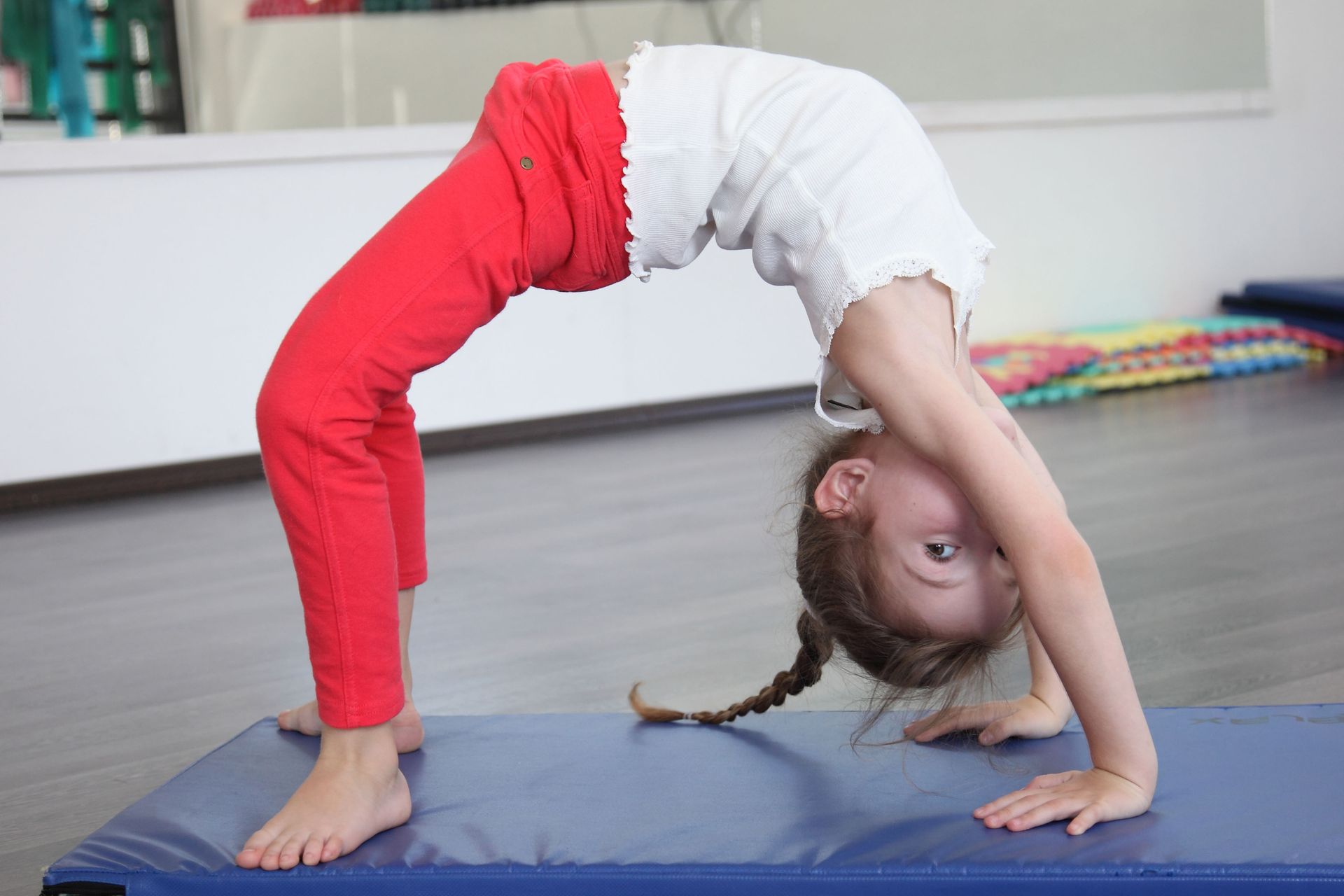
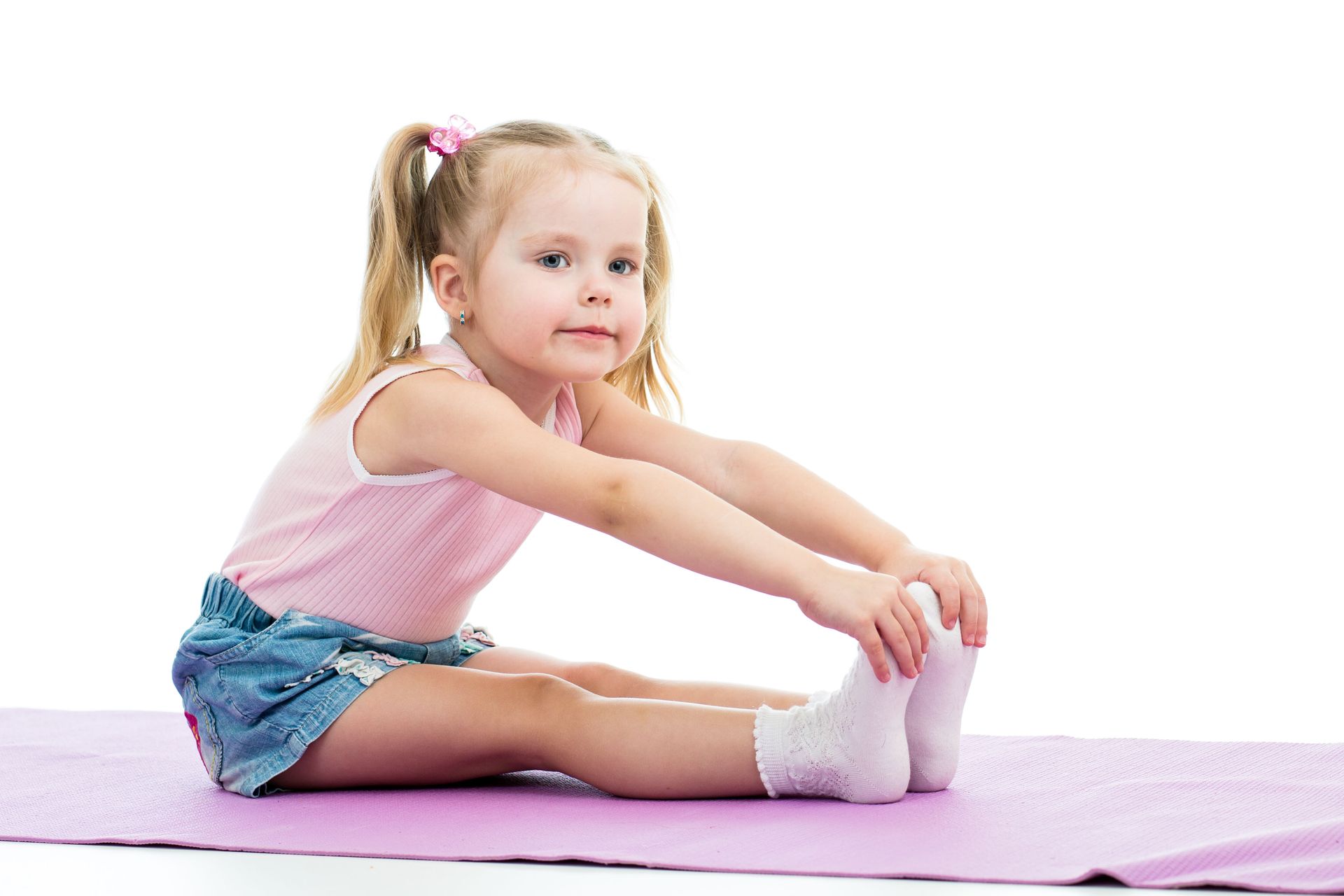
For children, tumbling serves as an exciting introduction to physical fitness. The playful nature of tumbling activities focuses on developing essential motor skills and building core strength. Classes tailored for young learners integrate fun with instruction, preventing physical exertion from becoming overwhelming. According to the American Academy of Pediatrics, one of the main physical benefits of gymnastics is helping young athletes develop balance, coordination, and physical strength. With supportive coaches, children explore new physical challenges within a safe environment.
Teenage Tumbling Programs
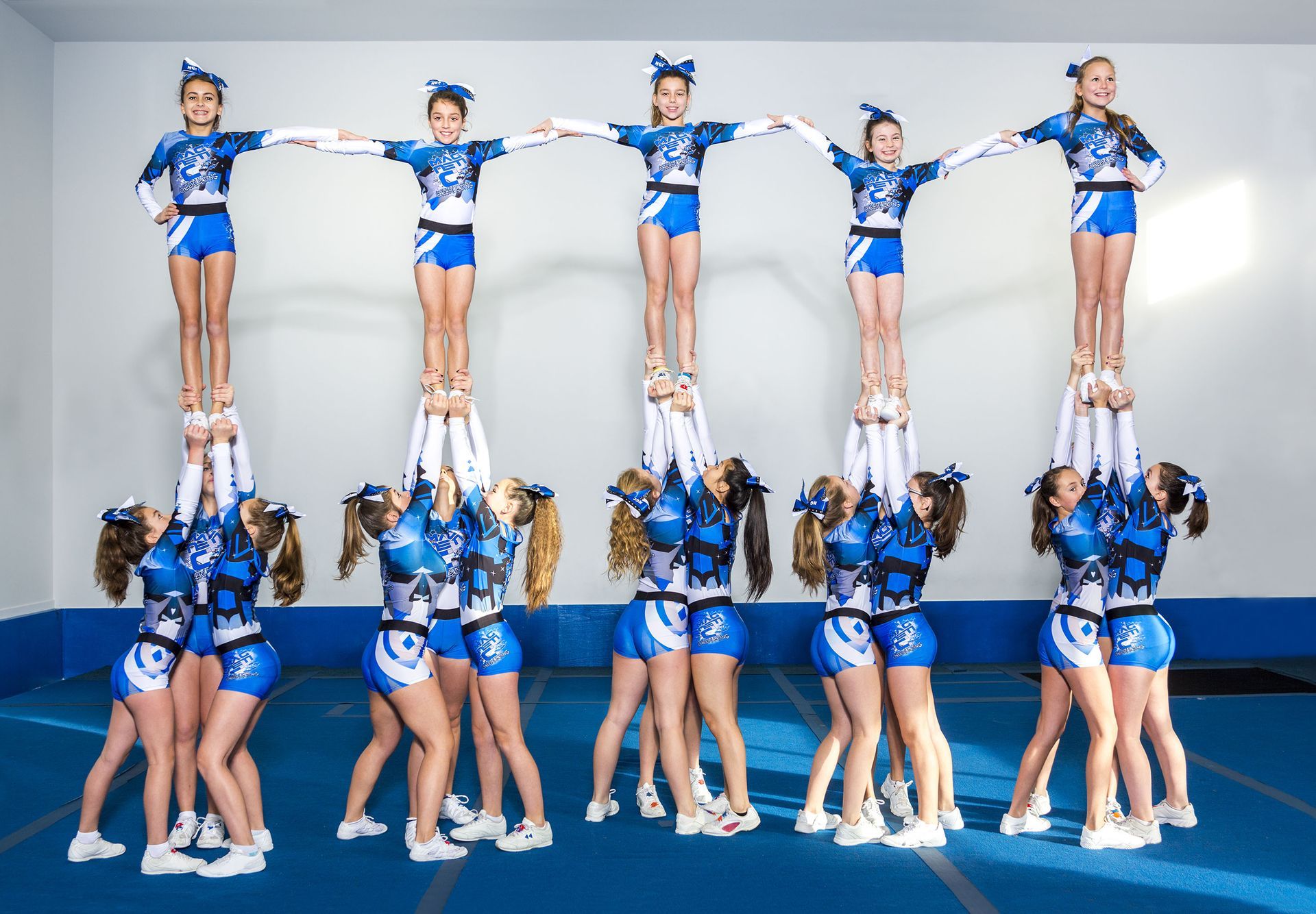
Teenagers often gravitate towards tumbling as an expressive and engaging discipline. Programs tailored for teens focus on preparing individuals for competitive and recreational goals. These sessions emphasize self-improvement, encouraging teenagers to hone their skills for personal achievement. Peer interaction and teamwork also offer significant social benefits. The progressive challenges are designed to push boundaries while fostering motivation and resilience among participants.
Adult Tumbling Classes
Adult tumbling classes redefine physical activity with inclusivity and adaptability. Adults seeking active lifestyles or rekindling passions are well-suited for these dynamic classes. Programs emphasize foundational skill development, body conditioning, and social engagement, catering to varying fitness levels. Tumbling for adults also contributes to stress management, offering a beneficial balance between rigorous workouts and mental relaxation. The flexible learning environment encourages lifelong learning and skill enhancement.
Tumbling is a multifaceted discipline with vast physical and mental benefits. It significantly contributes to developing strength, coordination, confidence, and spatial awareness. Clearly, through its structured techniques and practices,
tumbling enhances physical attributes and nurtures mental resilience. The sport's insights extend into other physical activities, promoting comprehensive athletic development. As such, tumbling remains an invaluable and enduring component of physical education and fitness—so if you are ready to build strength, boost confidence, and take your skills to the next level, enroll in a class at East Texas Twisters today!