September 2, 2026
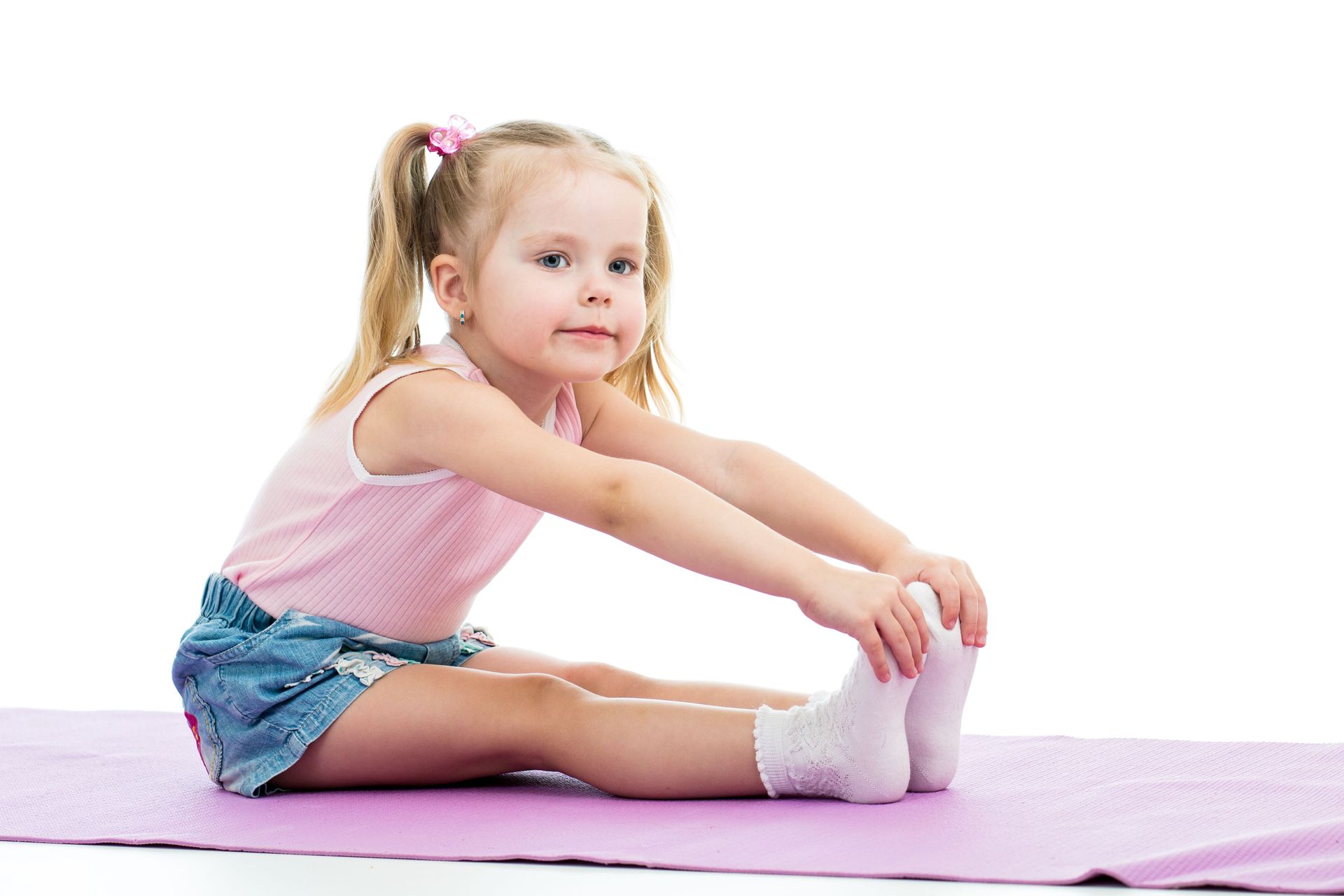
Children benefit from regular opportunities to move, stretch, balance, and develop greater awareness of how their bodies work. Enrolling a child in local gymnastics can provide a structured environment where movement becomes part of an enjoyable routine. Classes typically involve activities that engage multiple muscle groups while encouraging children to become more comfortable with different types of physical movement. Over time, this can help support overall strength, flexibility, coordination, and endurance.
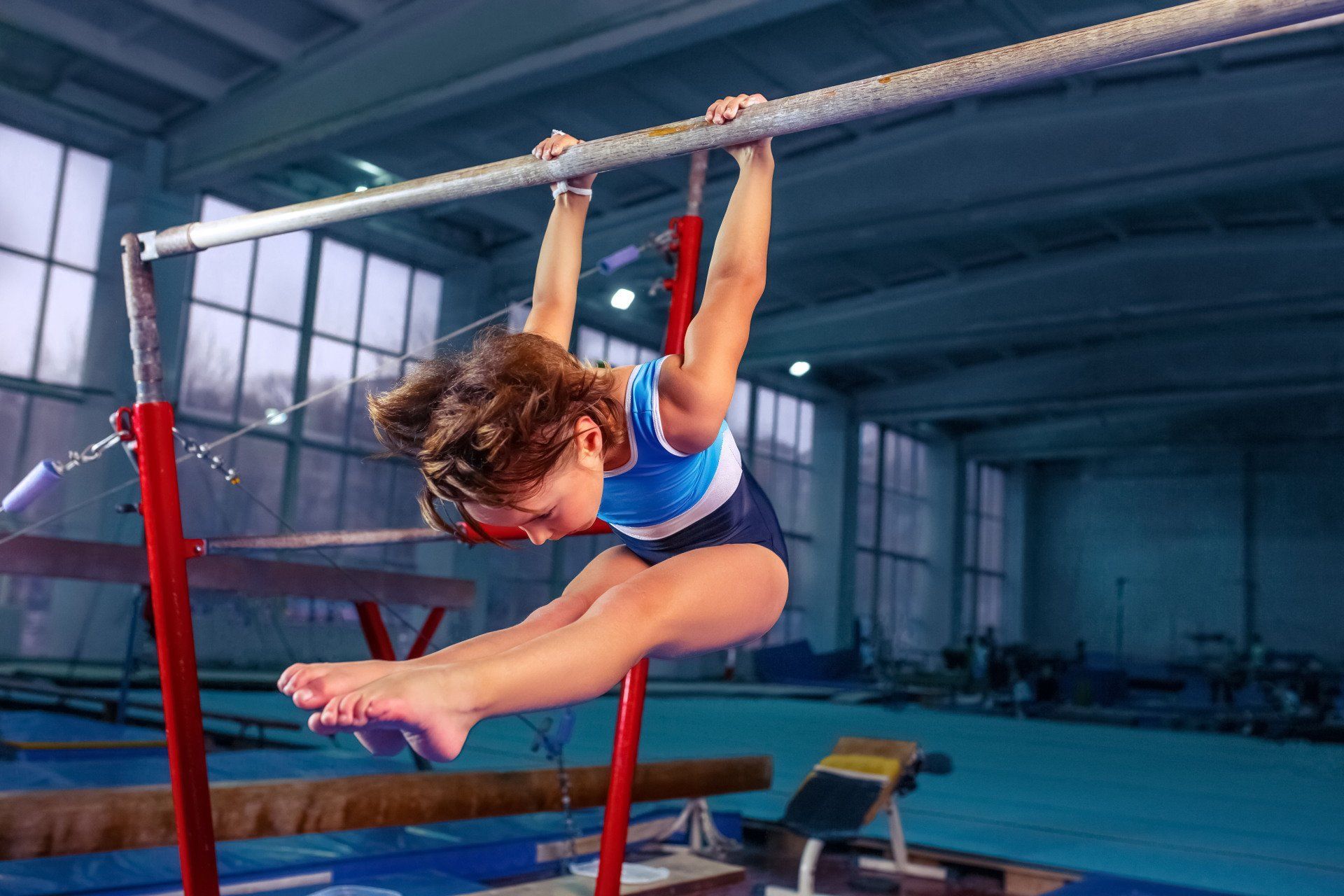
Proper instruction is especially important because gymnastics can place substantial demands on the body. According to HealthyChildren.org, when gymnasts walk or leap using their hands, their wrists may experience pressure equal to 2 to 4 times their total body weight. A structured class environment can emphasize appropriate technique, progressive skill development, and attention to safety rather than encouraging children to attempt unfamiliar movements without guidance.
Building Coordination Through Gymnastics
Coordination is an important part of physical development, and gymnastics gives children many opportunities to practice it. During local gymnastics classes, children may need to coordinate their arms, legs, vision, balance, and timing as they complete different movements. Even relatively simple activities can require concentration and body awareness, helping children understand how individual movements connect to create a complete skill.
Balance is closely related to coordination. Children learn to adjust their posture and positioning as they move across surfaces, change direction, or transition between skills. Repeated practice can help these adjustments become more natural. Gymnastics can also support spatial awareness by teaching children to recognize where their bodies are in relation to the floor, equipment, instructors, and other participants.
Building Confidence Through Gymnastics
Learning a new physical skill often requires patience. A child may not complete a movement successfully on the first attempt, and that experience can become an opportunity to learn persistence. In local gymnastics, instructors can break challenging skills into manageable progressions and provide feedback as children improve. This process allows children to see how consistent effort can lead to noticeable progress.
Confidence can grow when children recognize improvements in their own abilities. Completing a movement that once felt difficult can create a meaningful sense of accomplishment. Just as importantly, children can learn that progress does not always happen immediately. Practicing, receiving guidance, making adjustments, and trying again can help them develop a healthier relationship with challenges.
Building Social Skills Through Gymnastics
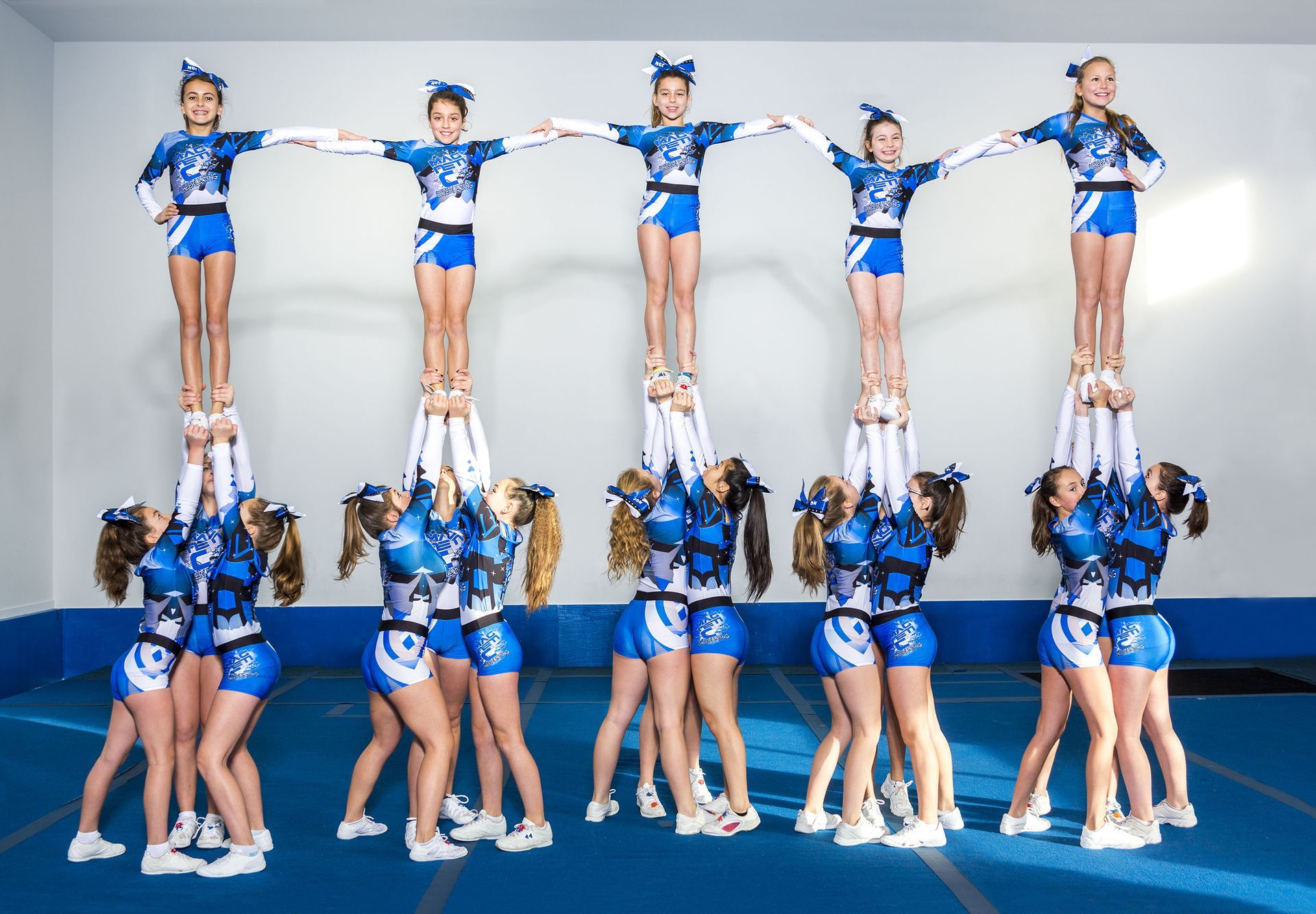
Group activities provide children with opportunities to interact with peers in a setting organized around shared goals. In local gymnastics, participants may take turns, listen while others receive instruction, celebrate classmates’ progress, and learn how their behavior affects the group. These experiences can support social development while children remain engaged in an active and structured activity.
Gymnastics classes can also expose children to peers with different personalities, abilities, and learning styles. They may see that some classmates learn certain movements quickly while others need more practice. This can create opportunities to develop patience, respect, and encouragement. Instructors can help establish expectations for positive behavior and cooperation, making the class a place where social learning occurs alongside physical development.
Building Focus Through Gymnastics
Gymnastics requires children to pay attention to instructions and apply what they hear to physical movement. During local gymnastics sessions, they may need to watch a demonstration, remember key directions, wait for the appropriate moment to begin, and concentrate while completing a skill. These demands can encourage attentive listening and sustained focus in an engaging setting.
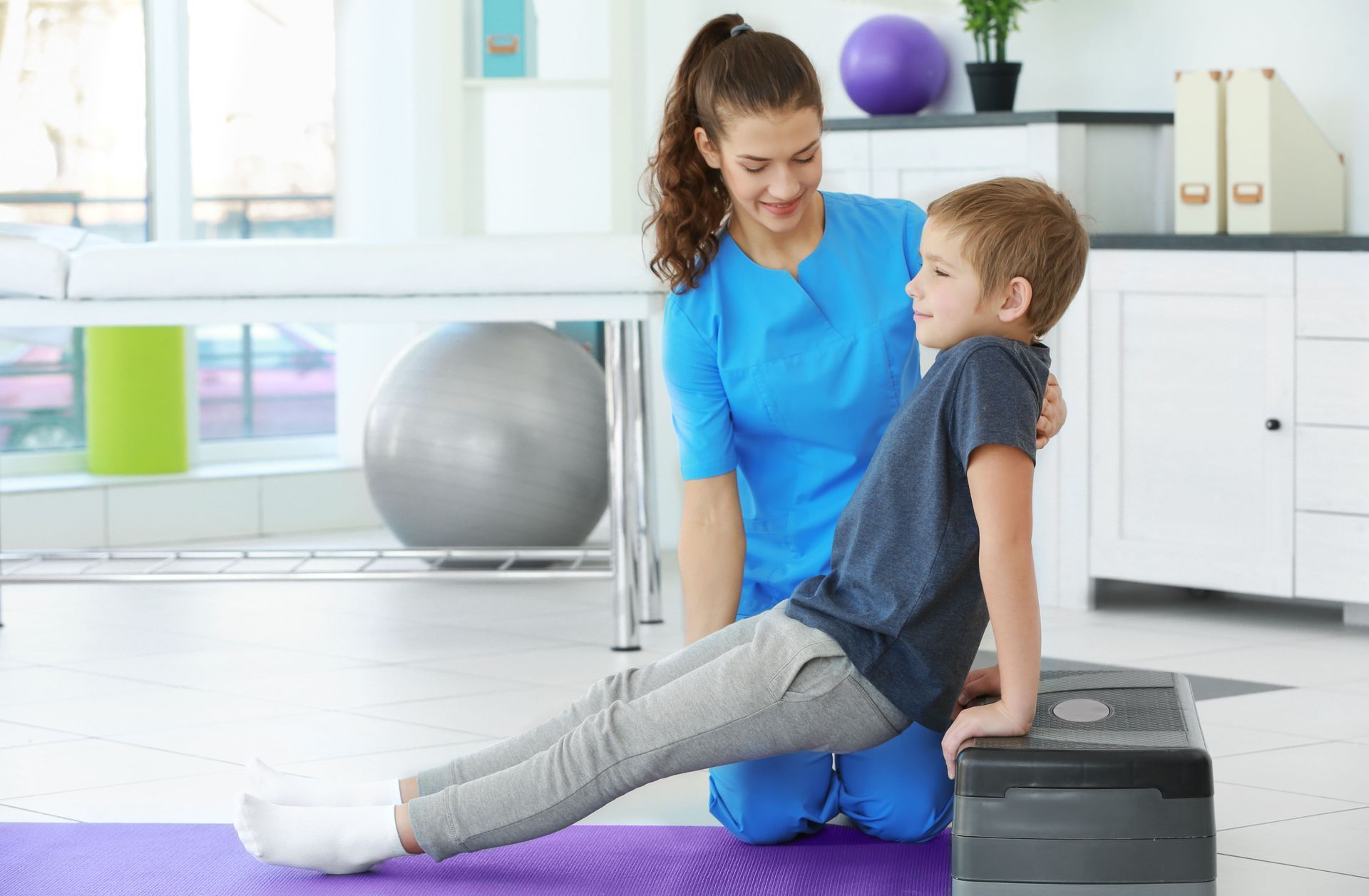
Following instructions is particularly important when equipment and unfamiliar movements are involved. Children learn that listening is connected to both skill development and safe participation. They may also become more accustomed to receiving corrections without viewing them as failure. An instructor’s feedback can show a child how a small adjustment in posture, timing, or positioning can improve a movement.
The structured nature of a class can further reinforce routines. Children learn when to listen, when to practice, when to wait, and when to transition to another activity. These patterns encourage self-control and awareness of expectations. Although every child develops at an individual pace, regular exposure to structured instruction can give them repeated opportunities to practice concentration, patience, and responsiveness.
Building Healthy Habits Through Gymnastics
Positive experiences with physical activity during childhood can help children discover forms of movement they genuinely enjoy. Local gymnastics offers an alternative to activities centered primarily on running or traditional team sports. For children who enjoy climbing, balancing, tumbling, jumping, or learning movement sequences, gymnastics may provide a particularly engaging way to stay active.
Enjoyment matters because children are more likely to participate willingly when an activity feels interesting and rewarding. Gymnastics can offer variety within a consistent class structure, allowing participants to work on different types of movements while continuing to develop familiar skills. This combination can keep physical activity engaging without removing the routine that helps children know what to expect.
Building Resilience Through Gymnastics
Gymnastics naturally includes moments when a skill does not go as planned. A child might lose balance, forget part of a movement, or need additional practice before feeling comfortable. Within local gymnastics, these moments can become useful learning experiences when instructors respond with constructive feedback and realistic encouragement. Children can learn that difficulty is not a signal to stop but a normal part of acquiring a new ability.
This process can help develop resilience. Instead of expecting immediate success, children practice returning to a task after an imperfect attempt. They can learn to identify what needs adjustment, listen to guidance, and recognize incremental improvement. Those experiences can make persistence more concrete because children can physically feel and see the difference that practice makes.
Building Community Through Gymnastics
Choosing an activity close to home can make consistent participation easier for families while helping children become involved in their surrounding community. A nearby gymnastics program can bring together families who live, attend school, or participate in other activities in the same general area. Over time, these repeated interactions can create a greater sense of familiarity for both children and caregivers.
Community-based programs can also give children another setting in which to form positive relationships with adults outside their immediate family or school environment. Coaches and instructors can serve as activity-focused mentors who reinforce listening, effort, respectful behavior, and safe participation. Having several supportive environments can help children encounter consistent expectations in different parts of their lives.
The convenience of a nearby program may also make attendance easier to maintain. Consistency is useful when children are building physical skills because many abilities develop gradually through repeated practice. Regular participation allows them to revisit familiar movements, build on previous instruction, and observe their own progress over time.
Building Long-Term Benefits Through Gymnastics
The benefits of gymnastics extend beyond learning specific routines or movements. Children can strengthen their bodies, improve coordination, practice concentration, interact with peers, and experience the satisfaction of working toward new skills. These benefits can make gymnastics a well-rounded extracurricular option for families seeking an activity that combines movement with structured learning.
A positive gymnastics experience can also help children understand that physical development is a process. Skills become more comfortable through practice, feedback, and patience. Whether a child eventually pursues gymnastics more seriously or moves on to other interests, the habits developed through attentive practice and consistent participation can remain useful.
Parents considering enrollment should look for an environment that emphasizes age-appropriate instruction, progression, communication, and safety. The right program should allow children to learn without unnecessary pressure while encouraging curiosity and effort. When children feel supported, gymnastics can become a setting where physical activity and personal development naturally reinforce one another.
For families interested in giving their children a structured environment to move, learn, and grow, gymnastics can offer a combination of physical, social, and personal benefits. At East Texas Twisters, we help children explore gymnastics through instruction designed to support skill development and active participation. Contact us to learn more about our programs and find an appropriate class for your child.