October 5, 2026
Engaging in structured athletic activities is a proven catalyst for personal growth, physical wellness, and social development among young athletes. Participating in professional cheerleading lessons provides a unique blend of athletic rigor, artistic expression, and collaborative teamwork that bolsters self-confidence while fostering deep interpersonal bonds. Cheerleading demands an extraordinary combination of physical strength, spatial awareness, rhythmic coordination, and mental focus, making it a comprehensive and rewarding discipline. Beyond the physical conditioning, athletes assume dynamic roles that cultivate leadership capabilities, emotional resilience, and clear communication skills. Understanding these multifaceted benefits highlights why structured cheerleading programs play such a vital role in youth development, athletic progress, and vibrant community building.
Understanding the Basics of Cheerleading
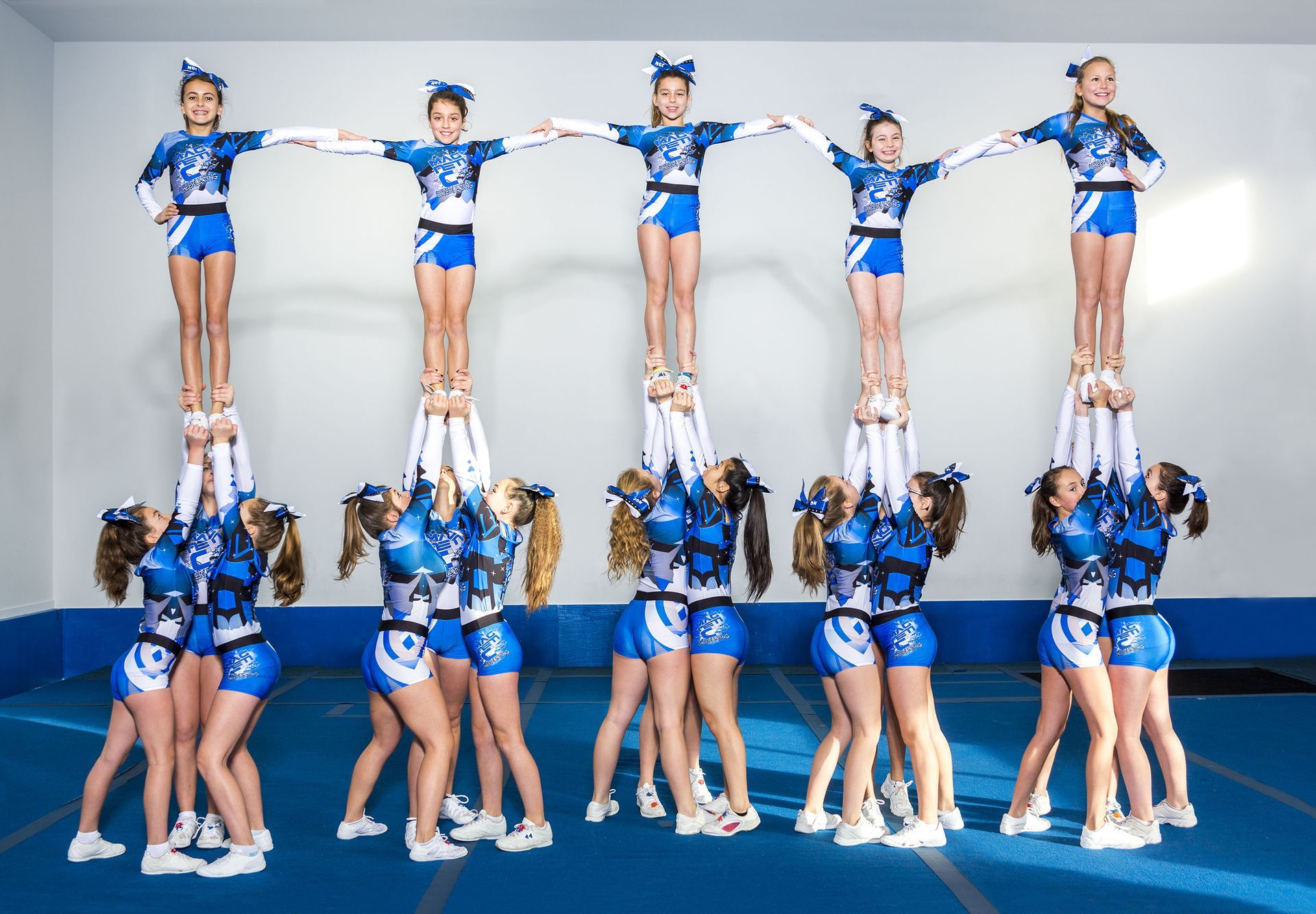
The roots of modern cheerleading trace back to the late nineteenth century when it originated as an all-male activity designed to mobilize audience engagement and boost school spirit at collegiate sporting events. Over the following decades, the sport evolved dramatically to include women, diversifying its skill sets and increasing overall athletic complexity. Today, cheerleading stands as a recognized competitive sport featuring intricate routines that seamlessly blend high-energy dance, acrobatic tumbling, and synchronized stunt pyramids. It has become a cornerstone of athletic programs from middle schools through universities, promoting institutional pride and active community engagement. This historic evolution reflects a shift from simple sideline chanting to a highly technical athletic discipline.
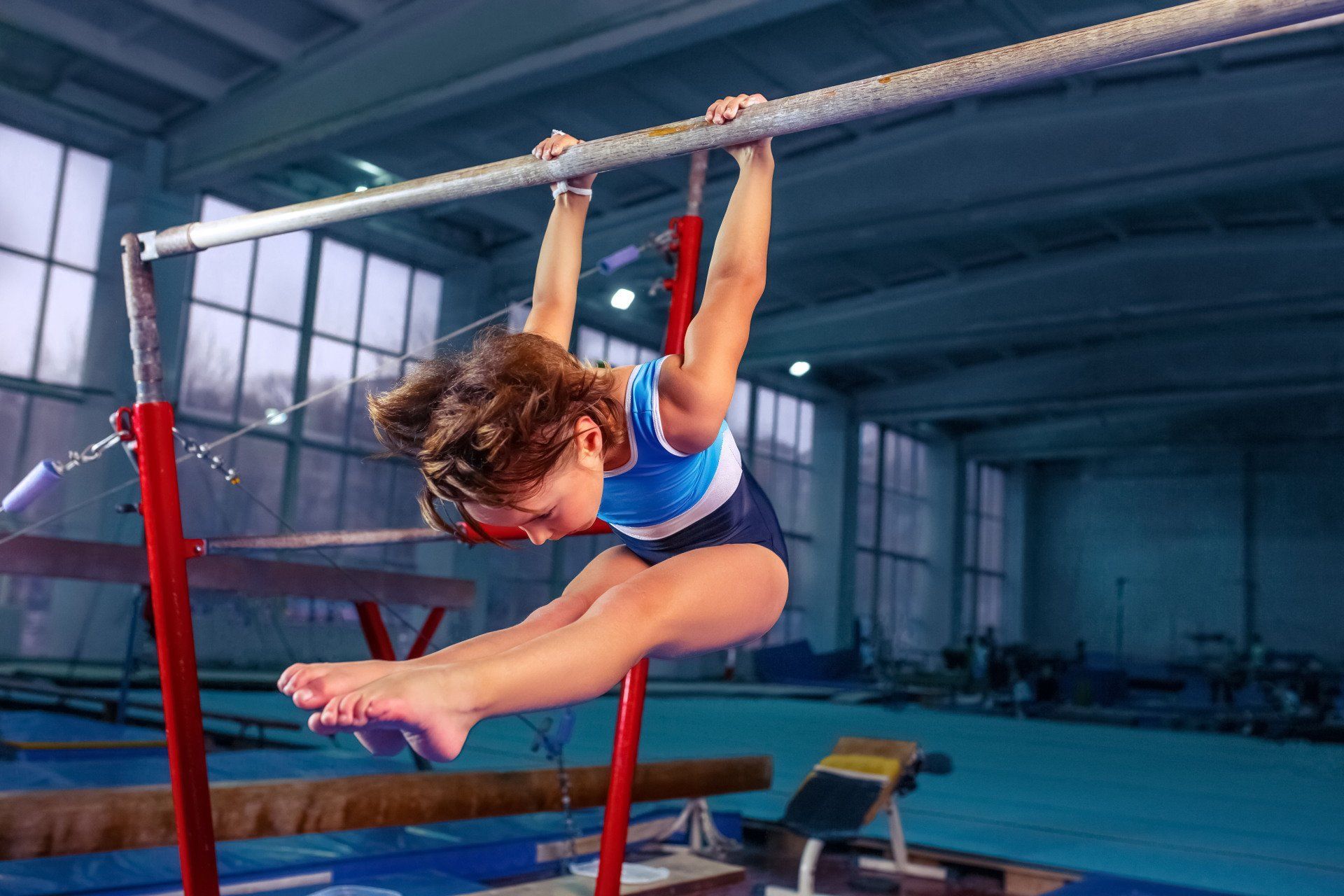
Enrolling in structured cheerleading lessons provides athletes with a comprehensive platform to hone essential physical, mental, and social skills. Athletically, the sport builds core strength, cardiovascular endurance, flexibility, and spatial awareness, helping participants achieve exceptional fitness levels. Balancing intense practice schedules with academic responsibilities instills lifelong habits of discipline, personal responsibility, and time management. Mentally, memorizing complex routines and executing precise movements under pressure sharpens cognitive focus and perseverance. These foundational attributes extend far beyond the gym floor, equipping athletes with the work ethic needed to excel in academics and future professional pursuits.
The Physical and Mental Demands of Cheerleading
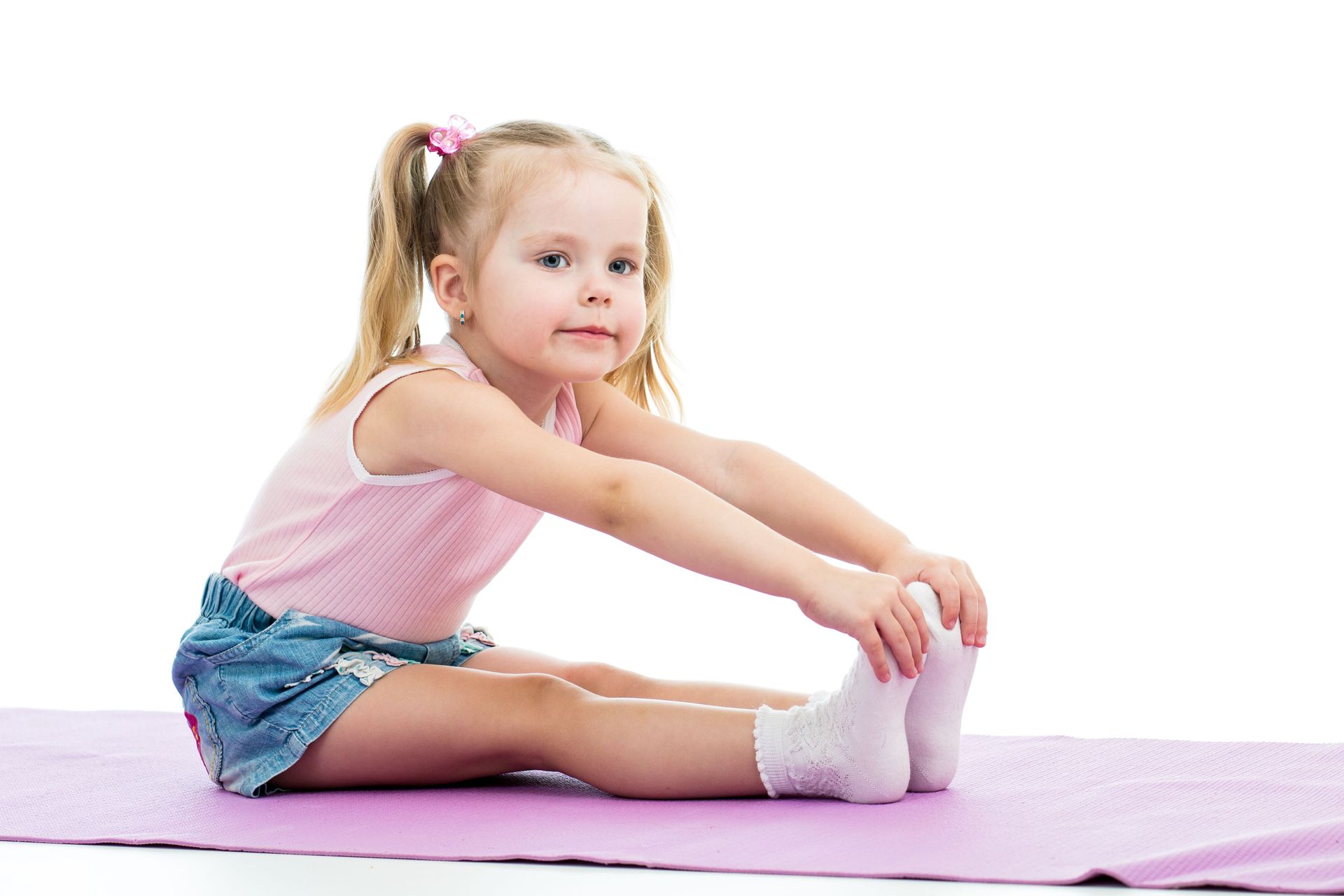
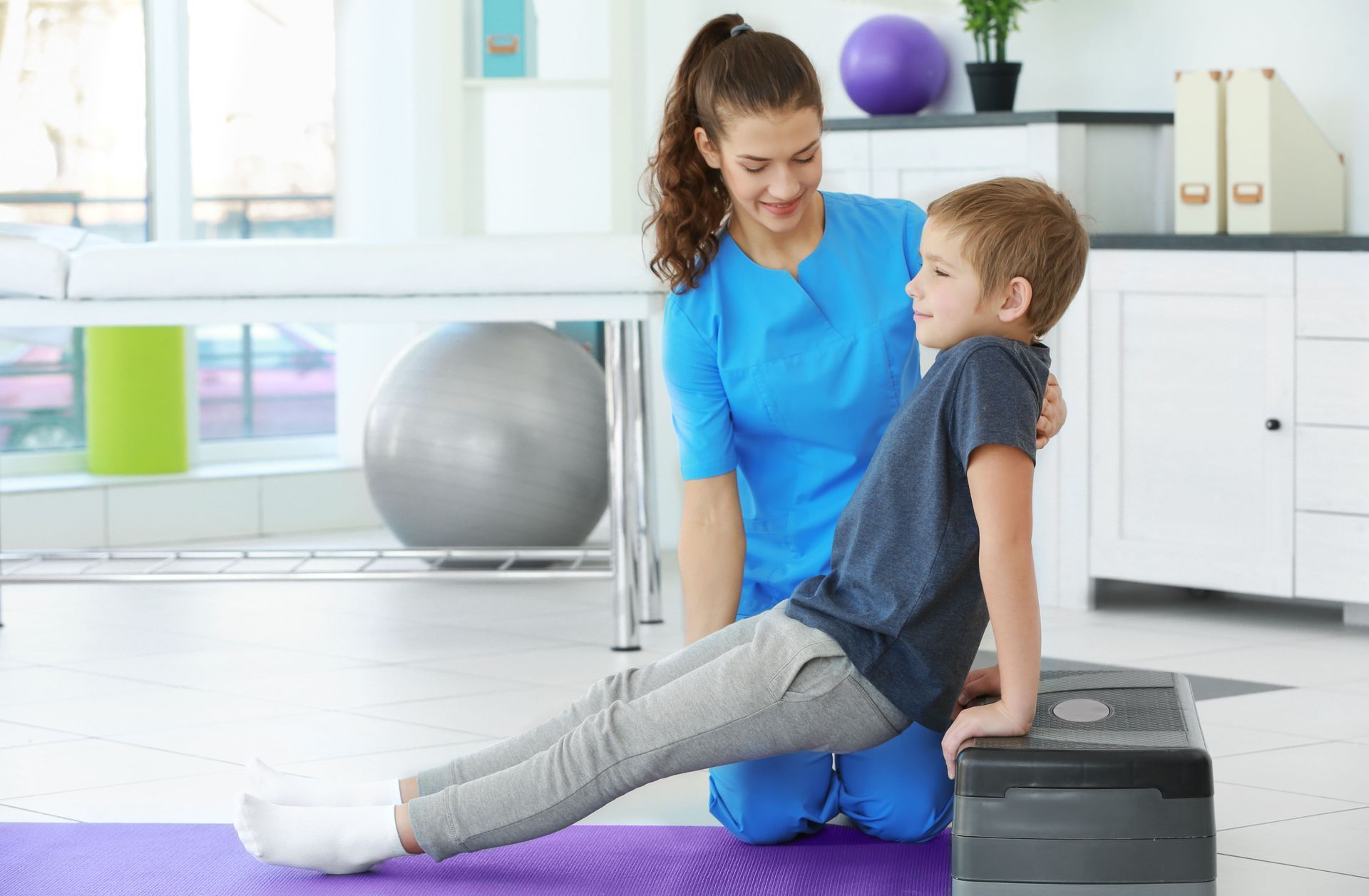
Cheerleading is widely recognized for its intense physical demands, which match those of traditional competitive sports. Executing explosive tumbling passes, holding heavy stunt bases, and sustaining high-tempo dance sequences require immense cardiovascular stamina and muscular strength. Consistent conditioning and strength training are critical components of any training regimen, ensuring athletes perform safely and minimize injury risks. This rigorous physical foundation promotes robust health and instills a lifelong appreciation for personal fitness. Embracing healthy habits early sets the stage for long-term physical well-being.
Mental stamina is equally crucial, as athletes must memorize intricate, multi-part routines and execute them flawlessly before judging panels. This mental demand enhances cognitive focus, spatial memory, and decision-making skills under stress. Learning to manage pre-performance nerves sharpens mental acuity, teaching athletes to channel adrenaline into positive energy. This psychological preparation helps individuals navigate high-pressure situations throughout their academic and personal lives. The synthesis of physical power and mental composure makes cheerleading a holistic athletic discipline that builds comprehensive resilience.
Cheerleading as an Inclusive Sport
Cheerleading has increasingly established itself as an inclusive athletic avenue that welcomes participants of diverse backgrounds, body types, and skill levels. The collaborative nature of team routines allows programs to integrate athletes with varying levels of experience, pairing complementary strengths together. Many gyms offer multi-tiered competitive teams, enabling beginners to build foundational skills while challenging advanced athletes with elite progressions. This inclusive philosophy also extends to gender diversity, actively encouraging male participation and echoing the sport's collegiate history. Accessible programming ensures that the physical and social benefits of the sport are available to a broad community. According to HealthyChildren.org, one essential safety guideline for gymnasts is that body piercings on the face or mouth are strictly prohibited during training and competition.
Beyond physical performance on the mat, cheerleading offers meaningful involvement through auxiliary roles such as team management, choreography assistance, and event coordination. These leadership opportunities allow participants to develop administrative, organizational, and creative skills. Supporting the team from these non-performance positions fosters a deep sense of belonging and teaches valuable project management principles. Offering diverse avenues for involvement strengthens team cohesion and ensures that every participant feels valued. Consequently, cheerleading builds a supportive community culture that celebrates diverse talents and contributions.
The Role of Cheerleading in Schools and Communities
Cheerleading plays a vital role in educational environments, driving school spirit, student morale, and community pride. By leading crowds at athletic games and pep rallies, cheerleaders create an enthusiastic atmosphere that brings students, faculty, and alumni together. Furthermore, cheer squads frequently serve as student ambassadors, representing their institutions at civic functions and charitable fundraisers. This public presence strengthens the bond between schools and their surrounding neighborhoods, building lasting goodwill. Through their high-energy engagement, cheerleaders act as vital catalysts for institutional unity and positive community identity.
As an extracurricular activity, cheerleading significantly enriches the overall educational journey for participating students. Many schools incorporate cheerleading concepts into physical education curricula, introducing broad student populations to basic fitness, rhythm, and teamwork principles. Additionally, scholastic cheer programs enforce academic eligibility requirements, motivating athletes to maintain high grades and develop disciplined study habits. This integration of academic accountability and athletic participation supports a well-rounded educational model. The presence of structured cheer teams reflects a school's commitment to developing healthy, academically driven, and socially engaged students.
Building Personal Confidence in Cheerleading
Overcoming performance anxiety is a transformative milestone for many young athletes, and structured cheerleading lessons provide the tools needed to master stage fright. Repeated exposure to performing before audiences demystifies the experience, turning anxiety into excitement over time. Experienced coaches utilize mental visualization techniques, systematic dress rehearsals, and breathing exercises to help athletes prepare for competition settings. This structured preparation builds internal confidence, allowing athletes to perform with poise when under pressure. Mastering performance anxiety equips cheerleaders with a self-assured mindset that serves them well in all public settings.
Goal setting is a fundamental component of structured cheerleading lessons that drives personal growth and builds self-confidence. Athletes are guided to set specific, achievable milestones, such as mastering a back handspring or perfecting a stunt transition. Coaches help break these long-term ambitions into manageable weekly progressions, giving athletes a clear roadmap to success. Hitting these incremental targets provides tangible proof of improvement, reinforcing self-belief and personal agency. This systematic approach to goal achievement teaches athletes the value of sustained effort, focus, and self-discipline.
The Importance of Teamwork in Cheerleading
Teamwork is the foundational heart of cheerleading, where learning to trust and rely completely on teammates is essential for safety and success. High-level stunts and synchronized pyramids require absolute precision, perfect timing, and complete trust between bases, flyers, and spotters. Every athlete plays a critical role, knowing that their teammates are fully focused on protecting their physical safety. This mutual reliance builds deep bonds of trust and respect that unify the squad. Cheerleaders learn to support one another unconditionally, cultivating an empathetic, tight-knit athletic family.
Additionally, structured cheerleading lessons prepare teams for unpredictable competition scenarios through deliberate problem-solving drills. Simulating high-pressure situations during practice equips athletes with the mental agility needed to make real-time adjustments calmly. Coaches encourage peer feedback, allowing athletes to offer constructive observations that help their teammates refine technical details. This environment of shared learning inspires open communication, curiosity, and continuous performance improvement. Consequently, athletes develop robust problem-solving skills and a resilient mindset that serve them well across all areas of life.
Enrolling in structured cheerleading lessons offers a transformative journey that builds physical strength, personal confidence, and lifelong teamwork skills. Through technical progression, positive reinforcement, and collaborative stunt work, athletes learn to overcome anxiety, set ambitious personal goals, and trust their teammates completely. The discipline, resilience, and leadership qualities forged on the mat prepare young individuals to excel academically, socially, and professionally. To help your child build enduring self-confidence, develop athletic excellence, and experience the joy of team unity, contact East Texas Twisters today to discover our comprehensive cheerleading and tumbling programs.